
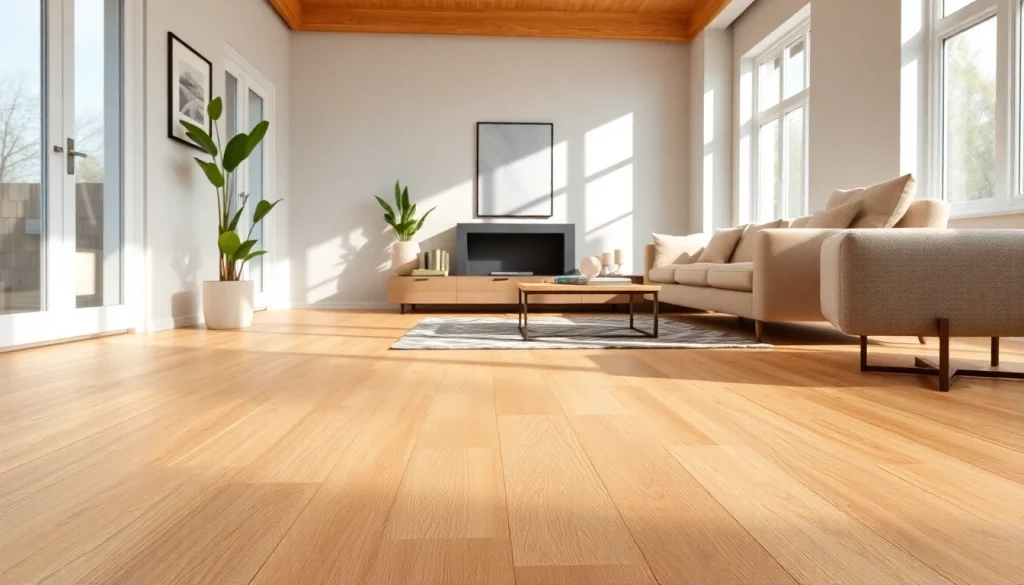

Understanding Waterproof Vinyl Flooring
What is Waterproof Vinyl Flooring?
Waterproof vinyl flooring is a versatile and resilient flooring option designed for areas prone to moisture, such as bathrooms, kitchens, and laundry rooms. This type of flooring is engineered with a solid core and a waterproof layer, making it impervious to spills, splashes, and humidity. Unlike traditional vinyl, which can degrade or warp in wet conditions, waterproof vinyl flooring combines functionality with aesthetic appeal, offering homeowners a perfect balance of style and practicality.
Types of Waterproof Vinyl Flooring
There are mainly two types of waterproof vinyl flooring: luxury vinyl planks (LVP) and luxury vinyl tiles (LVT).
- Luxury Vinyl Planks (LVP): Designed to mimic the look of hardwood, LVP comes in planks that are easy to install and maintain. Its thickness and surface coating enhance durability and resilience against moisture.
- Luxury Vinyl Tiles (LVT): Ideal for those who prefer a tile aesthetic, LVT is developed to resemble ceramic or stone tiles. It adds elegance to spaces and is just as waterproof as LVP.
Both options vary in design choices, colors, and textures, allowing homeowners to select a style that complements their interior décor.
Advantages of Waterproof Vinyl Flooring
Waterproof vinyl flooring provides numerous advantages that make it a popular choice among homeowners and builders alike. Some of these advantages include:
- Water Resistance: Its main feature is its ability to withstand moisture without damage, making it ideal for high-humidity areas.
- Easy Installation: The click-lock installation system allows for a straightforward DIY approach, resulting in reduced labor costs.
- Low Maintenance: Regular sweeping and occasional mopping are sufficient for keeping the floor looking new, with no need for special cleaners.
- Durability: Waterproof vinyl flooring is designed to endure heavy foot traffic, scratches, and stains, making it suitable for both homes and commercial spaces.
- Variety of Styles: Available in endless designs, colors, and textures, it can seamlessly fit any décor style while being cost-effective.
Installation Process of Waterproof Vinyl Flooring
Preparing Your Space for Installation
Proper preparation is crucial for a successful flooring installation. Begin by removing any existing flooring and ensuring the subfloor is clean, dry, and level. Repair any damaged areas before proceeding, as uneven surfaces can lead to long-term issues. Additionally, let the vinyl acclimate in the installation area for at least 48 hours to prevent expansion or contraction post-installation.
Step-by-Step Installation Guide
- Gather Tools: You’ll need a utility knife, a straight edge, a rubber mallet, spacers, and a measuring tape.
- Measure the Area: Measure your room to determine how much vinyl you will need. It’s advisable to add 10% to your total for mistakes and cuts.
- Cut the Vinyl: Cut the vinyl flooring pieces based on your measurements. Ensure neat edges for a seamless fit.
- Start with Planks/ Tiles: Begin laying the flooring from one corner of the room and work your way across. Use spacers to maintain a consistent gap between the vinyl and the wall for expansion.
- Secure the Pieces: Depending on the type of vinyl, click the planks together or apply adhesive. Gently tap with a rubber mallet for a snug fit.
- Final Touches: Remove the spacers and install baseboards to cover the expansion gaps for a finished look.
Common Mistakes to Avoid
Avoid these common pitfalls during installation to ensure longevity and performance:
- Skipping Preparation: Failing to prepare the subfloor can lead to added issues later.
- Improper Acclimation: Not allowing your flooring to acclimate can result in warping.
- Neglecting Expansion Gaps: Forgetting to leave gaps can cause buckling when the floor expands.
- Incorrect Layout: Begin blindly without proper measurements, which might result in a mismatched design.
Maintenance of Waterproof Vinyl Flooring
Regular Cleaning Tips
Maintaining waterproof vinyl flooring is relatively simple. Regular sweeping or vacuuming removes dirt and debris, while a damp mop with a gentle cleaning solution can help eliminate stains and spills. It’s essential to avoid harsh chemicals, as they can damage the floor’s protective layer.
Addressing Common Issues
Over time, dogs and furniture can scratch the surface. To address minor scratches, using a vinyl repair kit can be useful. If a tile or plank gets damaged, you can easily replace that individual piece instead of the entire floor. For stubborn stains, a mix of vinegar and water can often work wonders without harming the flooring.
Long-Term Care Practices
To ensure the longevity of your waterproof vinyl flooring, follow some best practices:
- Use Rugs and Mats: Place mats in high-traffic areas to prevent wear.
- Avoid Excess Water: While the flooring is waterproof, excessive standing water can still cause problems, so clean up spills promptly.
- Maintain Indoor Humidity: Keep humidity levels in check to prevent the possibility of mold and mildew.
Comparing Waterproof Vinyl Flooring with Other Flooring Types
Waterproof Vinyl Flooring vs. Laminate Flooring
While both waterproof vinyl and laminate flooring offer aesthetics reminiscent of hardwood, waterproof vinyl flooring stands out with its superior water resistance and durability. Laminate can be prone to bubbling and warping when exposed to moisture, making it less suitable for damp areas. Additionally, waterproof vinyl flooring often offers a softer and quieter surface underfoot compared to laminate.
Waterproof Vinyl Flooring vs. Hardwood Flooring
Hardwood flooring boasts an undeniable charm and elegance; however, it cannot match the waterproof capabilities of vinyl. In areas with frequent moisture exposure, like bathrooms or kitchens, hardwood can warp or rot over time if not meticulously maintained. Additionally, flooring made from hardwood is typically more expensive and requires more extensive maintenance compared to waterproof vinyl flooring, which requires less care while remaining stylish.
Cost Comparison with Alternatives
When considering costs, waterproof vinyl flooring is often more budget-friendly than hardwood or ceramic tile options. Installation costs for waterproof vinyl are about 50% less than hardwood, making it an attractive choice for homeowners seeking an efficient and cost-effective flooring solution without sacrificing quality.
Trends and Innovations in Waterproof Vinyl Flooring
Current Design Trends
Homeowners are increasingly choosing waterproof vinyl flooring because it offers endless design possibilities. Current trends include realistic wood textures with varied grain patterns, as well as bold colors and tile looks that mimic natural stone. The desire for sustainability has also led to eco-friendly selections with recycled materials, making options both stylish and responsible.
Technological Innovations in Waterproof Flooring
Advances in technology have led to even more durable and realistic vinyl designs. Enhanced printing techniques now allow for life-like imitations of various materials, while advancements in core composition improve flexibility and comfort underfoot. Some brands have introduced sound-dampening features and hypoallergenic materials, catering to diverse consumer needs.
Future Outlook for Waterproof Flooring Solutions
The demand for waterproof flooring is expected to grow as more consumers recognize its numerous benefits. Innovations in design and performance will likely continue, focusing on sustainability, ease of maintenance, and aesthetic flexibility. As technology develops, we can anticipate even more advanced features that enhance user experience, ensuring that waterproof vinyl flooring remains a leading choice for homeowners.
FAQs about Waterproof Vinyl Flooring
Is waterproof vinyl flooring truly waterproof?
Yes, waterproof vinyl flooring is specifically designed to resist moisture, making it suitable for high-humidity areas without warping or damage.
Can I install waterproof vinyl flooring over existing floors?
In many cases, you can install waterproof vinyl flooring over existing floors if they are clean, dry, and level. However, it’s essential to assess the subfloor’s condition first.
How do I clean my waterproof vinyl flooring?
Regularly sweep or vacuum to remove debris, and mop with a damp cloth using gentle cleaner. Avoid abrasive chemicals that might damage the finish.
Will my waterproof vinyl flooring fade in sunlight?
High-quality waterproof vinyl flooring is designed to resist fading; however, prolonged exposure to direct sunlight may still cause some discoloration.
How long does waterproof vinyl flooring last?
With proper care and maintenance, waterproof vinyl flooring can last anywhere from 10 to 25 years, depending on quality and usage.