

Overview of Sandakphu Trek
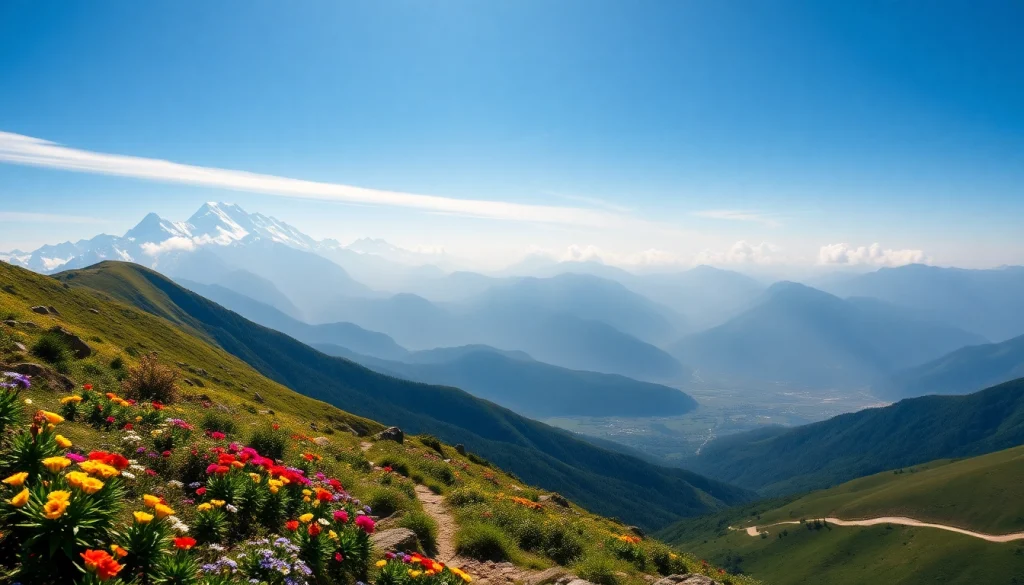
The sandakphu trek is one of the most captivating trekking routes in India, located at the border of West Bengal and Nepal. Known for its stunning vistas and challenging trails, this trek is a must-do for any outdoor enthusiast. The trek takes you through lush forests, quaint villages, and incredible panoramic views of some of the highest peaks in the world, including Mount Everest and Kangchenjunga.
What Makes Sandakphu Unique?
The uniqueness of the Sandakphu trek lies in its dual appeal; it is a trek that combines both challenging physical activity with awe-inspiring natural beauty. Standing at an elevation of about 12,000 feet, Sandakphu is the highest point in West Bengal, offering trekkers a chance to bask in the glory of the four highest peaks of the world visible from its summit: Mount Everest, Kangchenjunga, Mount Lhotse, and Mount Makalu. Additionally, the strategic location along the India-Nepal border provides a sense of adventure and cultural immersion, enriched by the diverse flora and fauna that line the trails.
Key Attractions Along the Trek
Throughout the Sandakphu trek, there are several remarkable attractions that trekkers can look forward to:
- Stunning Views: As you ascend, each turn provides a new perspective on the Himalayan range, with each vista more breathtaking than the last.
- Flora & Fauna: The trek is a biodiversity hotspot, featuring rhododendron forests, diverse wildlife, and unique bird species.
- Local Culture: Experience the warm hospitality of the local communities, with opportunities to interact and learn about their culture and lifestyles.
- Phalut: The second-highest point along the trek, Phalut offers a more secluded experience with equally stunning views.
Best Time to Undertake the Sandakphu Trek
The best time to embark on the Sandakphu trek is during the spring (March to April) and autumn (October to November) months. During these periods, the weather is typically stable and offers crystal-clear views of the peaks. June through September brings heavy monsoon rains, making trails slippery and challenging. Winter treks are feasible but require careful planning due to snow coverage and temperature drops.
Preparing for the Sandakphu Trek
Proper preparation is critical for a successful trekking experience. It is essential to equip yourself physically and mentally for the challenges that lie ahead.
Essential Gear and Packing List
Proper gear can make or break your trekking experience. Here’s a comprehensive packing list you should consider:
- Footwear: Sturdy trekking boots with good ankle support and waterproofing.
- Clothing: Layered clothing, including moisture-wicking base layers, warm mid-layers, and a waterproof outer layer.
- Backpack: A comfortable, lightweight backpack capable of holding your essentials.
- Shelter: A sleeping bag rated for cold weather, plus a lightweight tent if camping.
- Navigation Tools: Map, compass, or GPS device to find your way through the trails.
- First Aid Kit: A well-stocked first aid kit, including altitude sickness medication.
- Personal Items: Toiletries, biodegradable soap, sanitizer, and sunscreen.
Physical Preparations for the Trek
Trekking to Sandakphu requires a moderate level of fitness. Here are some effective ways to prepare:
- Cardiovascular Fitness: Engage in regular cardiovascular exercises such as running, cycling, or swimming to build endurance.
- Strength Training: Incorporate strength training exercises focusing on legs, core, and upper body to enhance overall stability and strength.
- Practice Hiking: Go on shorter hikes with elevation gain to get used to acclimatization.
- Flexibility Exercises: Incorporate yoga or stretching to improve flexibility and prevent injuries.
Safety Tips and Guidelines
Trekking comes with its risks; adhering to safety guidelines is crucial:
- Aclimate Gradually: Take it slow to acclimatize to higher altitudes to avoid altitude sickness.
- Stay Hydrated: Drink plenty of water before, during, and after trekking.
- Inform Someone: Always let someone know your trekking plans and expected return.
- Utilize Proper Gear: Use the right equipment and clothing to adapt to changing weather conditions.
Detailed Itinerary for the Sandakphu Trek
An organized itinerary is vital for optimal trekking. Below is a day-by-day breakdown to guide you.
Day-by-Day Breakdown
The typical trek lasts about 6 days, covering various distances and altitudes. Here’s a suggested itinerary:
- Day 1: Drive from Darjeeling to Manebhanjan, and trek to Tumling. Distance: 10 km.
- Day 2: Trek from Tumling to Kalapokhri. Distance: 12 km.
- Day 3: Hike from Kalapokhri to Sandakphu. Distance: 7 km. Acclimatization day in Sandakphu.
- Day 4: Trek to Phalut, descending via forest trails. Distance: 21 km.
- Day 5: Return trek to Srikhola. Distance: 18 km.
- Day 6: Drive back to Darjeeling.
Top Highlights Each Day
Each day of the trek has unique highlights:
- Day 1: Stunning views of the valleys from Tumling.
- Day 2: Enchanting rhododendron forests surrounding Kalapokhri.
- Day 3: Unforgettable sunrise views over the Himalayas from Sandakphu.
- Day 4: Views from Phalut, often described as being in the clouds.
- Day 5: Experience the serene atmosphere of Srikhola.
Makanay and Rest Points Along the Trek
Rest points are crucial for a successful trek. Common stops include:
- Tumling: A small village offering basic amenities.
- Kalapokhri: Famous for its black pond, ideal for a midday rest.
- Sandakphu: Multiple guesthouses and stunning views.
- Phalut: Offers solitude; perfect for reflective moments.
Trekking Challenges and How to Overcome Them
Challenges are part of the trekking experience; knowing how to face them enhances your journey.
Navigating Weather Changes
Be prepared for sudden weather changes:
- Layer Accordingly: Dress in layers to manage varying temperatures throughout the day.
- Check Forecasts: Stay updated on weather conditions for safety.
- Be Flexible: Be ready to change plans or halt the trek if conditions deteriorate.
Dealing with Altitude Sickness
Altitude sickness can affect many trekkers:
- Recognize Symptoms: Be aware of symptoms like headache, nausea, and dizziness.
- Acclimatize Properly: Don’t rush your ascent; allow your body to adapt.
- Consult a Guide: Seek advice from experienced guides on managing symptoms.
Common Trekking Misconceptions
Many misconceptions can lead to poor preparation:
- Misconception: The trek is only for experienced trekkers.
- Reality: With proper preparation, the Sandakphu trek can be enjoyed by most fitness levels.
- Misconception: It’s unsafe to trek alone.
- Reality: Trekking with a partner or group enhances safety and experience.
FAQs About the Sandakphu Trek
How difficult is the Sandakphu trek?
The Sandakphu trek is rated as moderate in difficulty. It’s manageable for those in good physical shape but may challenge beginners due to its length and elevation changes.
Can beginners do the Sandakphu trek?
Beginners can undertake the Sandakphu trek if they are physically fit and committed to preparation. The trek involves some steep sections, but it is rewarding for those new to trekking.
Can I see Mount Everest from Sandakphu?
Yes, from Sandakphu, trekkers can see several of the world’s highest peaks, including Mount Everest, providing an iconic view that makes the trek worthwhile.
Best month for the Sandakphu trek?
March, April, October, and November are the best months to trek as the weather is favorable, offering clear views and a comfortable hiking experience.
What is the total distance of the Sandakphu trek?
The full Sandakphu trek typically covers about 50 kilometers over six days, depending on the chosen itinerary and side adventures undertaken during the journey.