
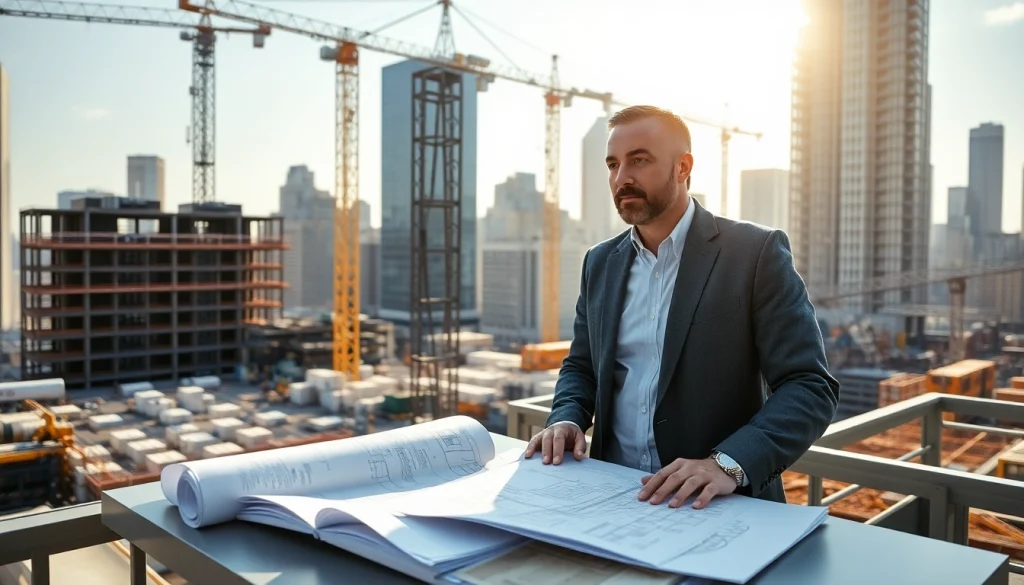

Understanding the Role of a New York City Construction Manager
The role of a New York City Construction Manager is pivotal in navigating the complexities of urban construction. Given New York City’s unique architecture, dense environment, and stringent regulations, a construction manager’s influence extends far beyond merely overseeing a project. Their responsibilities encompass everything from planning and budgeting to risk management and stakeholder communications. In this article, we will delve into the essential functions, challenges, and emerging trends impacting construction managers in NYC.
Essential Responsibilities of a Construction Manager
A construction manager’s primary responsibility is to ensure that a project runs smoothly, within budget, and on schedule. This multifaceted role includes the following duties:
- Planning and Scheduling: Establishing timelines and milestones for project completion.
- Budget Management: Creating and overseeing budgets, ensuring that resources are allocated efficiently.
- Team Coordination: Assigning tasks, managing project teams, and ensuring effective collaboration.
- Compliance Oversight: Ensuring that all construction activities comply with local laws and safety regulations.
- Quality Control: Monitoring construction progress to ensure that work meets quality standards and specifications.
Skills Required for Success
To thrive in the intricate realm of NYC construction, managers require a unique blend of skills:
- Leadership: Ability to manage teams and resolve conflicts.
- Communication: Strong verbal and written skills for effective stakeholder engagement.
- Technical Knowledge: Understanding construction methods, materials, and regulations.
- Financial Acumen: Competency in budget forecasting and financial planning.
- Problem-solving: Skills to address and mitigate unforeseen challenges.
Common Challenges Faced in NYC
Working in New York City’s competitive landscape presents numerous challenges:
- Stringent Regulations: Adhering to complex zoning laws and building codes can slow down the permitting process.
- Site Constraints: Limited space and dense urban settings complicate construction logistics.
- Unpredictable Weather: Seasonal weather conditions can hinder project timelines and increase costs.
- Labor Shortages: Finding skilled labor in a competitive market can delay project commencement.
- Rising Costs: Fluctuations in material costs require constant budget reassessment.
Key Functions of New York City Construction Managers in Projects
Project Planning and Budgeting Techniques
Effective project planning is the bedrock of successful construction management. Techniques that construction managers utilize include:
- Work Breakdown Structure (WBS): Breaking down the project into smaller, manageable components for easier tracking.
- Critical Path Method (CPM): Identifying essential tasks to ensure the project adheres to its timeline.
- Resource Allocation: Ensuring optimal use of materials, labor, and time for efficiency.
- Financial Forecasting: Conducting detailed assessments to predict future costs based on current expenditures.
Coordinating with Stakeholders and Teams
Construction managers are the linchpins in stakeholder coordination, which includes clients, architects, engineers, and contractors. Effective strategies include:
- Regular Updates: Scheduling frequent meetings to keep stakeholders informed of progress and any hurdles faced.
- Stakeholder Engagement: Involving clients in the decision-making process fosters a collaborative environment.
- Clear Delegation: Assigning roles and responsibilities to avoid confusion and overlap in tasks.
- Conflict Resolution: Quickly addressing and mediating disputes to maintain project momentum.
Risk Management in Urban Construction
Risk management is an essential aspect of a construction manager’s role, especially in urban settings like NYC. Strategies include:
- Risk Identification: Conducting assessments to pinpoint potential risks at various project phases.
- Mitigation Planning: Developing plans to minimize the impact of identified risks.
- Insurance and Bonds: Using appropriate insurance and bonding to protect against catastrophic losses.
- Contingency Plans: Preparing fallback plans for unforeseen circumstances, such as delays or budget overruns.
Best Practices for Effective Communication
Tools and Technologies for Collaboration
In today’s digital age, leveraging technology for effective communication is critical. Tools include:
- Project Management Software: Platforms such as Asana or Trello help manage tasks and deadlines.
- Cloud-Based Collaboration: Utilizing tools like Google Drive for sharing project documents in real-time.
- Drones and Aerial Imagery: For site monitoring and assessment without disrupting ongoing work.
- Mobile Communication Apps: Ensuring instant communication among teams via platforms like Slack or Microsoft Teams.
Building Relationships with Clients and Vendors
A strong rapport with clients and vendors is indispensable for a New York City Construction Manager. Best practices include:
- Transparency: Being open about project progress and potential issues builds trust.
- Feedback Mechanisms: Establishing processes for regular feedback from clients to enhance service.
- Contractual Relationships: Ensuring clarity in contracts to avoid misunderstandings.
- Networking: Participating in industry events to foster connections with potential partners.
Handling Conflicts on Site
Conflicts can arise due to various reasons on construction sites. Strategies for resolution include:
- Mediation Techniques: Utilizing trained mediators to resolve disputes impartially.
- Open Dialogue: Encouraging honest discussions among team members to address grievances.
- Clear Documentation: Keeping records of incidents and resolutions helps in addressing recurring issues.
- Training: Offering conflict management training for all site personnel to handle disputes effectively.
Monitoring Project Progress Efficiently
Metrics for Success in NYC Construction
Effective monitoring allows construction managers to measure the success of their projects. Key metrics include:
- Schedule Variance (SV): Indicates whether the project is on schedule relative to its planned timeline.
- Cost Performance Index (CPI): Measures the financial efficiency and health of a project.
- Quality Defects Rate: Percent of work that requires rework, indicating construction quality.
- Safety Incident Rate: Tracks safety incidents to evaluate site safety performance.
Utilizing Tech for Real-Time Updates
Incorporating technology for real-time updates enhances project visibility. Tools used include:
- Mobile Applications: Allowing on-site personnel to report progress directly from the field.
- Wearable Technology: Devices that enhance safety and provide data for performance tracking.
- RFID Tracking: Technologies for real-time asset tracking to minimize loss and optimize utilization.
- Virtual Reality (VR): Offering immersive experiences for stakeholders for better understanding of project scope.
Regular Reporting and Accountability
Consistent reporting fosters responsibility among team members. Best practices include:
- Weekly Updates: Providing stakeholders with regular project updates to maintain engagement.
- Performance Reviews: Conducting periodic assessments of team performance against set goals.
- Shared Dashboards: Utilizing dashboards to provide a visual representation of project status and metrics in real-time.
- Action Plans: Establishing clear action points to address any challenges encountered during the project.
Future Trends Affecting New York City Construction Managers
Emerging Technologies in Construction
Technology continues to revolutionize construction practices. Key trends include:
- Building Information Modeling (BIM): Facilitating detailed visualization and design collaboration during the planning stages.
- 3D Printing: Used for creating construction components, resulting in time and cost savings.
- Internet of Things (IoT): Sensors that monitor equipment and performance metrics for improved decision-making.
- Green Technology: Adoption of energy-efficient practices and materials for sustainable construction.
Regulatory Changes and Compliance
Regulatory frameworks for construction are continually evolving. Managers must stay updated on regulations affecting:
- Environmental Standards: Increased regulations for minimizing environmental impacts during construction.
- Labor Laws: Compliance with evolving labor regulations relating to worker rights and safety.
- Building Codes: Adhering to updated codes ensures safety and mitigates risks during inspections.
- Accessibility Compliance: New mandates for ensuring buildings are accessible to all, impacting design and construction.
Adapting to Sustainable Practices
As society becomes more conscious of sustainability, construction managers are tasked with integrating eco-friendly practices, including:
- Utilizing Renewable Resources: Incorporating materials that are sustainable and reducing carbon footprints.
- Waste Management Plans: Developing strategies to minimize waste during construction processes.
- Energy-efficient Design: Prioritizing designs that ultimately conserve energy once construction is complete.
- Community Engagement: Involving local communities in the planning process to address sustainability concerns.
Frequently Asked Questions
What is the primary role of a construction manager in NYC?
A New York City Construction Manager oversees the planning, execution, and completion of construction projects, ensuring they are delivered on time and within budget.
What skills are essential for a successful construction manager?
Key skills include leadership, communication, technical knowledge, financial expertise, and problem-solving abilities, critical for effective project management.
What challenges do construction managers face in NYC?
Common challenges include stringent regulations, site constraints, labor shortages, unpredictable weather, and rising material costs all impacting project delivery.
How important is technology in NYC construction management?
Technology plays a crucial role in improving efficiency, enabling real-time updates, and facilitating better communication among project stakeholders.
What future trends should construction managers be aware of?
Emerging trends include the adoption of sustainable practices, integration of advanced technologies like BIM and IoT, and evolving regulatory standards affecting the construction industry.