
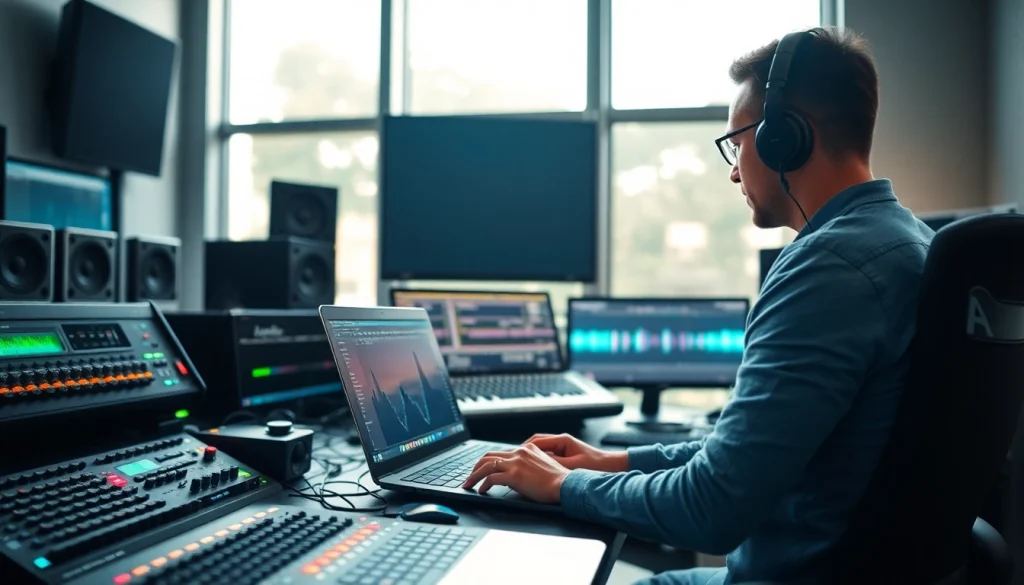

In today’s fast-paced digital world, the demand for high-quality audio production has surged, primarily driven by the rise of independent artists and the proliferation of platforms that distribute music globally. Among the essential stages of audio production, online mastering has emerged as a vital process that finalizes tracks for professional release. If you are an artist, producer, or musician seeking to enhance your sound while navigating the vast array of choices available, understanding the intricacies of online mastering is crucial.
Understanding Online Mastering
What is Online Mastering?
Online mastering is the process of polishing audio tracks for distribution using cloud-based services. This process involves refining the audio to meet the standards of commercial playback and ensuring it translates well across various listening environments, from studio monitors to earbuds. Unlike traditional mastering, which typically requires physical equipment and studio time, online mastering leverages advanced digital tools to enhance audio quality remotely.
The Importance of Online Mastering
Online mastering plays a crucial role in the music production pipeline. It ensures that tracks sound cohesive and polished, making them more appealing to listeners. Additionally, mastering prepares music for various platforms, each with specific requirements for audio quality. By investing in online mastering, artists can significantly improve their chances of standing out in a saturated market.
How Online Mastering Works
The online mastering process typically involves uploading the final mix of your track to a mastering service. Once uploaded, audio engineers use advanced software to adjust various elements such as equalization, compression, and limiting to optimize the sound. These professionals often provide you with a mastered version that you can download, allowing for quick feedback and revisions if necessary. The entire process can often be completed in just a few days, depending on the complexity of the work.
Choosing the Right Online Mastering Service
Evaluating Quality and Expertise
When selecting an online mastering service, it is essential to assess the expertise and quality of the engineers involved. Look for platforms that showcase the qualifications and experience of their mastering engineers. Some services provide samples of their previous work, allowing you to judge the quality based on a stylistic match to your sound. Moreover, consider the reviews and testimonials from other artists; these can provide insight into the level of customer service and support you can expect.
Comparing Pricing Structures
Pricing for online mastering can vary significantly from one service to another. Some platforms offer tiered pricing based on track length or additional features, while others may provide a flat rate. When comparing costs, consider the value offered, such as additional revisions, quality assurance checks, and turnaround time. Ensure that you are gaining value from your investment by understanding what is included in the price—higher rates do not always guarantee better quality.
Reading User Reviews and Testimonials
User reviews can be instrumental in choosing an online mastering service. Pay attention to feedback on the mastering quality, communication efficiency, and overall customer satisfaction. Look for reviews from artists who share a similar music style, as this can better inform your decision. Consistent positive feedback from happy clients is often a good indicator of service reliability.
Common Online Mastering Techniques
Dynamic Range Compression
Dynamic range compression is pivotal in mastering the audio track’s loudness and consistency. By controlling the peaks and boosting quieter sections, compression helps to create a balanced sound that is not only more enjoyable but also compatible with various playback systems. Understanding how much compression is appropriate for your genre can be beneficial, as over-compression can lead to a lifeless sound.
Equalization Best Practices
Equalization (EQ) adjusts specific frequency ranges, enhancing or reducing certain aspects of the sound. During the mastering process, EQ is often used to eliminate problematic frequencies that could muddy the mix or cause distortion. The goal is to achieve a balanced tonal quality that maintains clarity and punch. Learning the appropriate EQ settings for your music genre can significantly enhance the mastering process.
Limiting and Maximizing Loudness
Limiting plays a crucial role in mastering by allowing tracks to reach the desired loudness without distorting the audio. A limiter works to prevent the audio signal from peaking above a certain threshold while boosting overall loudness. However, it is essential to achieve a balance; excessively loud tracks can result in listener fatigue. Understanding loudness standards for various formats helps create a master that sounds exceptional on any platform.
Best Practices for Submitting Tracks
Preparing Your Mix for Mastering
Before submitting your track for mastering, ensure it is well-prepared. This includes balancing the mix, ensuring levels are not peaking, and avoiding excessive effects that may complicate the mastering process. Always leave a bit of headroom on your tracks to allow the mastering engineer to work effectively. Providing clean, high-quality mixes significantly enhances the final results.
File Formats and Specifications
Following specific file formats and specifications when submitting tracks for online mastering is crucial. Most mastering services accept high-resolution WAV or AIFF files, ideally with a sample rate of 24-bit/96kHz. Additionally, include any notes related to specific areas of the mix you would like the engineer to focus on. Providing clear guidelines can help you achieve the desired outcomes.
Clear Communication with Engineers
Effective communication with mastering engineers can make a significant difference in your results. Be open about your musical vision and the sound you aim to achieve. Providing reference tracks that exemplify the quality and sound you desire can greatly assist the engineer in understanding your expectations. A collaborative approach often leads to more satisfying outcomes.
Measuring the Success of Your Mastered Tracks
Understanding Streaming Standards
With the evolution of digital music distribution, understanding the streaming standards of various platforms is vital. Each platform has its guidelines regarding audio quality, loudness, and file specifications. Ensuring your mastered tracks meet these criteria will yield better playback quality and listener experience.
Listening Tests and Feedback
After mastering your track, engage in listening tests across various devices—such as headphones, smartphones, and speakers—to assess how it translates in different environments. Feedback from trusted peers or sound professionals can also provide valuable insights. Adjustments based on this feedback can enhance the final product significantly.
Using Analytics to Gauge Listener Response
Once your music is released, utilizing analytics tools can shed light on listener engagement and reactions. Platforms like Spotify and SoundCloud provide metrics on how songs perform over time. By analyzing these data points, you can understand which track elements resonate with listeners, allowing you to inform future projects.
FAQs
What is online mastering?
Online mastering is the process of finalizing audio tracks using web-based services, focusing on optimizing sound quality for distribution.
How does online mastering differ from traditional mastering?
Online mastering is typically more accessible and cost-effective, leveraging digital tools and remote collaboration, unlike traditional methods.
Can I master my own tracks online?
While DIY mastering is possible, using professional online mastering services usually results in higher quality and accurate sound optimization.
What factors influence online mastering costs?
Factors include service quality, track length, and additional options like revisions, quality checks, and specialized processing.
How long does online mastering take?
The process can take anywhere from a few hours to a few days, depending on the service provider and the complexity of the project.