

Understanding Cape Cod Homes
History and Characteristics of Cape Cod Homes
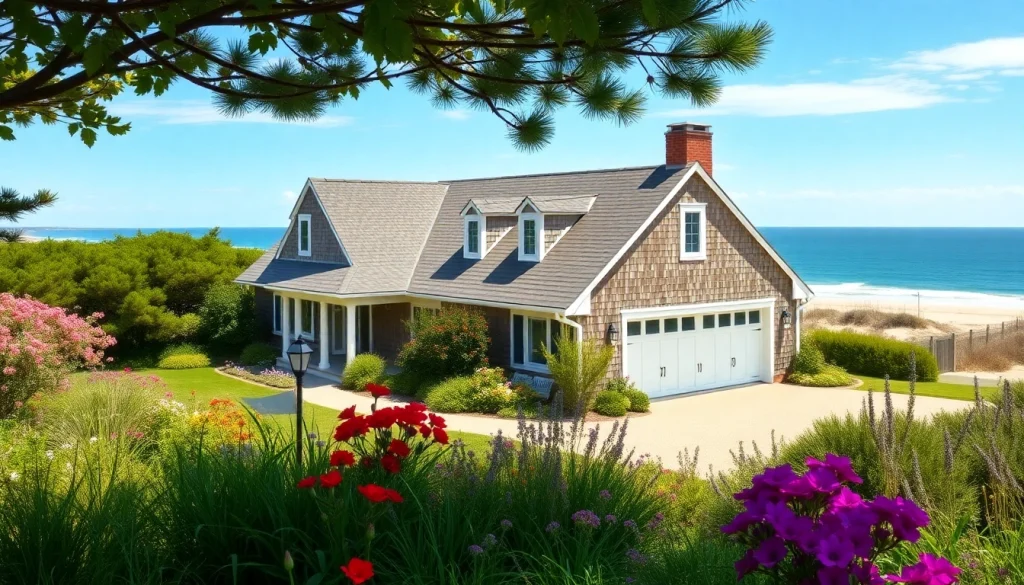
Cape Cod homes hold a classic American charm, characterized by their symmetrical design and steeply pitched roofs. Originating in the 17th century as adaptations to New England’s harsh winters, these homes were built with practicality in mind, often using local materials like timber. Traditional Cape Cod houses are typically one or one-and-a-half stories and feature dormer windows flowing from the roof, allowing for added natural light and ventilation. Their simple, unadorned facades often use clapboard siding painted in soft hues, blending beautifully with coastal surroundings.
Modern Take on Classic Designs
As the needs and preferences of homeowners evolve, so too has the design of Cape Cod homes. Modern interpretations preserve the essential elements of the original style while integrating contemporary features. Open floor plans, large windows, and eco-friendly materials are increasingly common, creating living spaces that are both functional and beautiful. Outdoor living areas, such as patios and decks, also enhance the enjoyment of coastal landscapes, reflecting a shift towards indoor-outdoor living. Innovative technologies, like smart home systems, further bridge the gap between traditional aesthetics and modern comfort.
Local Architecture Influences
The architectural landscape of Cape Cod is shaped significantly by local history and culture. The maritime environment heavily influences design choices, with many homes incorporating nautical details like weather vanes and shutters. Coastal colors inspired by the seaside—such as sandy beiges, seafoam greens, and deep blues—are often employed. Moreover, contemporary additions are frequently designed to echo the simplicity and functionality of traditional Cape Cod homes, making for seamless integration between old and new. Homeowners often draw from local history when planning expansions or renovations, ensuring that their style choices respect the area’s rich architectural heritage.
Planning Your Home Expansion
Assessing Your Space and Needs
Before diving into your home expansion project, it’s essential to evaluate your current space and future needs. Consider the number of occupants and their lifestyle—does your family enjoy entertaining? Do you need extra storage? Conduct a thorough assessment of your current home layout to identify which areas are lacking. This process may involve consulting with an architect, who can provide additional insights into potential designs that maximize your existing footprint while adhering to local zoning laws.
Choosing the Right Design Style
When expanding your home, the design style is crucial. You want your expansion to harmonize with your existing structure, especially if you own a classic Cape Cod home. Mixing styles can create visual dissonance; therefore, it’s advisable to stick with Cape Cod’s traditional elements while infusing modern amenities that suit your needs. Whether you choose an extension that mimics the original design or opt for a contrast that celebrates innovation, cohesion is key. Researching various styles online and discussing options with a designer can help in making informed choices that reflect personal tastes and the character of your neighborhood.
Budgeting for Your Cape Cod Home Expansion
Effective budgeting is fundamental when planning a home expansion. Initial costs may include architectural fees, permits, and materials, but it’s wise to also account for potential unexpected expenses. A good rule of thumb is to add a contingency of 10-20% to your initial budget. Gathering multiple estimates from contractors can provide a clearer picture of costs and help you choose the right team for your project. Also, consider the long-term benefits of your expansion—adding space can significantly increase your property value, especially with strategically planned enhancements that resonate with the appeal of cape cod homes.
Incorporating an Attached Garage
Benefits of an Attached Garage
Adding an attached garage can offer numerous advantages. First, it provides convenience—especially in inclement weather, it allows for easy access to your home without exposure to the elements. An attached garage also adds functional space, which can serve as a workspace, storage area, or even a mudroom. Additionally, it enhances property value, appealing to families who prioritize convenience and storage options. Moreover, garages can be designed to complement the aesthetic of your Cape Cod home, ensuring a seamless look that blends harmoniously with your façade.
Design Ideas for Functional Garage Space
When planning the design of your attached garage, functionality should be a priority. Opt for open shelving to maximize storage efficiency, and consider incorporating built-in workbenches for tools needed for home and yard maintenance. Maximizing vertical space through overhead storage solutions is another practical approach. Flexible spaces that can transform from garage to additional living area, should the need arise, offer versatility. Large windows or well-placed lighting fixtures can enhance the atmosphere, making your garage functional yet inviting, ultimately increasing the livability of your Cape Cod home.
Regulatory Considerations for Garage Additions
Every region has its specific zoning bylaws and building codes, which must be adhered to for any construction project, including garage additions. Before you begin, research local regulations regarding the placement and size of garages, as well as any required permits. Consult your town’s planning department or a professional architect to ensure compliance with all specifications. Keeping in touch with neighbors throughout the process can also help mitigate any potential concerns or objections regarding your extension.
Landscaping Around Cape Cod Homes
Complementing Architecture with Landscaping
The surrounding landscape can significantly enhance the appeal of Cape Cod homes. Ideal landscaping should complement the home’s architectural style while reflecting local natural beauty. Native plants that thrive in coastal conditions not only integrate seamlessly with the environment but also require less maintenance and water, creating a sustainable ecosystem. Low-maintenance designs featuring ornamental grasses, flowering shrubs, and stone pathways can beautifully frame a Cape Cod home, adding warmth and charm without overwhelming the structure.
Sustainable Landscaping Practices
eco-conscious homeowners increasingly seek sustainable landscaping options. Implementing xeriscaping—designing landscapes to reduce or eliminate the need for irrigation—can conserve water while preserving the Cape Cod look. Strategies include using drought-resistant plants and incorporating permeable paving materials to minimize runoff. Composting organic waste and utilizing rainwater barrels can further contribute to an environmentally friendly garden, promoting biodiversity while enhancing the beauty of your outdoor space.
Best Plants for Coastal Environments
Choosing the right plants is essential for successful landscaping around Cape Cod homes. Selecting salt-tolerant species helps ensure that landscapes thrive despite harsh coastal conditions. Local favorites include beach grasses, which stabilize sandy soils, along with ornamental varieties like hydrangeas, which add color while remaining resilient. Additionally, planting native flowers like daisies and sea lavender creates natural beauty while requiring minimal care. It’s smart to consult local horticultural experts who can suggest specific species that thrive in your microclimate, ensuring a vibrant and sustainable garden environment.
Frequently Asked Questions
What defines a Cape Cod home?
A Cape Cod home is typically characterized by its steep roofline, symmetrical facade, dormer windows, and clapboard siding. These homes are often one or one-and-a-half stories, designed for practicality and durability in coastal environments.
How do I design an expansion that fits my existing home?
To design an expansion that harmonizes with your home, focus on maintaining the architectural style by using similar materials and rooflines. Consulting a designer with experience in Cape Cod aesthetics will help ensure cohesion while integrating modern conveniences.
What are the costs associated with building an attached garage?
Costs for building an attached garage vary widely based on size, materials, and design. On average, expenses may range from $15,000 to $50,000 or more. Obtaining quotes from multiple contractors offers a more accurate picture of potential costs.
Can I renovate my garage into livable space?
Yes, converting a garage into livable space is a popular option. Ensure your renovation complies with local codes and that it includes proper insulation, heating, and ventilation to create a comfortable living environment.
What landscaping works best for Cape Cod homes?
Landscaping that incorporates native plants suited to coastal climates typically works best for Cape Cod homes. Using salt-tolerant species and sustainable practices enhances garden resilience and harmonizes with the natural environment.