
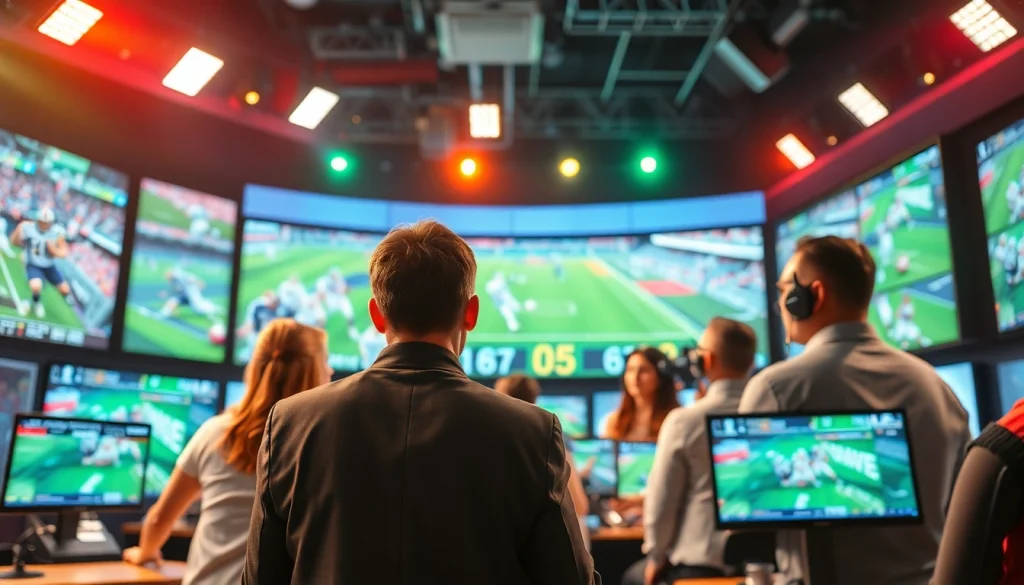

The Basics of Sports Broadcasting
Understanding Sports Broadcasting
Sports broadcasting is a multi-faceted field that encompasses the transmission of sporting events to a wide audience through various media channels, including television, radio, and online platforms. It serves not only to entertain fans but also to inform them about the intricacies of each sport. In exploring the realm of Sports Broadcasting, one must consider the historical evolution, current trends, and future directions which influence how sports are consumed and produced.
Key Roles in Sports Broadcasting
Within the sports broadcasting domain, numerous stakeholders play pivotal roles including:
- Producers: They orchestrate the overall broadcast, coordinating between technical teams and on-screen talent.
- Commentators: Known for their engaging narration, they provide play-by-play updates and analysis to enhance viewer experience.
- Camera Operators: Essential for capturing the action with various angles, they ensure that the viewers feel immersed in the game.
- Audio Engineers: Responsible for high-quality sound production, they mix commentary with natural ambient sounds from the venue.
- Graphic Designers: They create visual elements like infographics and stats that provide context to the audience during the broadcast.
Essential Equipment for Sports Broadcasting
Effective sports broadcasting relies heavily on specialized equipment. Key tools include:
- Cameras: Multiple high-definition cameras are necessary for capturing every moment in detail.
- Microphones: Wireless and directional microphones capture clear audio, minimizing background noise.
- Switchers: These devices allow the production team to seamlessly transition between multiple video feeds.
- Editing Software: Essential for post-production, it helps create polished and engaging content for viewers.
- Graphics Workstation: This technology creates real-time graphics that enhance storytelling.
Techniques for Effective Sports Broadcasting
Storytelling in Sports Broadcasting
The crux of sports broadcasting is storytelling. Effective narrators not only describe the action but weave in narratives that resonate with the audience. Each game has its subplots—whether it’s a player overcoming adversity or a fierce rivalry—and broadcasters must develop these threads, allowing viewers to connect emotionally with the event.
Communication Skills for Broadcasters
Effective communication is vital in sports broadcasting. Broadcasters should develop clarity in speech, engaging tone, and the ability to think on their feet. The best know how to maintain a strong presence, articulating complex ideas simply and efficiently while remaining engaging to the audience.
Utilizing Technology in Sports Broadcasting
With the advent of advanced technology, broadcasters are now equipped to enhance the viewing experience significantly. Innovations like augmented reality (AR), instant replay systems, and drone cameras are changing how sports are presented. Utilizing these tools effectively can create a more immersive experience for fans and enhance storytelling.
Analyzing Sports Broadcasting Strategy
Audience Engagement Techniques
Engaging today’s diverse audience is a challenge that broadcasters must meet. Techniques include real-time audience interaction via social media, personalized content, and community outreach initiatives. Broadcasters must build relationships before, during, and after the broadcast to maintain viewer loyalty.
Metrics to Measure Success in Sports Broadcasting
Understanding performance metrics is crucial for broadcasters aiming to optimize their strategies. Key metrics include ratings, viewer retention, and engagement levels across different platforms. Analyzing these metrics allows broadcasters to refine their approaches, ensuring they’re meeting audience expectations effectively.
Adapting to Changing Trends in Sports Broadcasting
The sports broadcasting industry is in constant flux, with new trends influencing production styles and viewer preferences. Today’s broadcasters must be agile, adapting to trends like streaming services, on-demand viewing, and a shift toward mobile content consumption to remain competitive and relevant.
Challenges in Sports Broadcasting
Handling Live Broadcast Issues
Live broadcasts come with challenges such as technical difficulties, unexpected events, or adverse weather. Being prepared with contingency plans allows broadcasters to react quickly, ensuring continuous coverage and minimizing disruptions.
Dealing with Audience Expectations
As audiences become more knowledgeable and demanding, meeting their expectations can be strenuous. Broadcasters must understand their demographic well, providing tailored content that aligns with viewers’ interests while maintaining high-quality production standards.
Managing High-Pressure Situations
Sports broadcasting is often high-pressure due to its live nature. Broadcasters must effectively manage stress, stay focused, and maintain professionalism regardless of circumstances. Practicing relaxation techniques and preparing thoroughly can help mitigate performance anxiety.
Future of Sports Broadcasting
Emerging Technologies in Sports Broadcasting
The future of sports broadcasting is poised to be transformed by emerging technologies such as virtual reality (VR) and artificial intelligence (AI). These innovations will offer fans new ways to experience sports and provide broadcasters with tools to deliver more insightful analysis.
Opportunities for Innovation in Sports Broadcasting
Innovation in the sports broadcasting landscape presents opportunities for improvement in viewer experiences and operational efficiencies. Engaging younger audiences through platforms like TikTok or YouTube could be a game-changer, helping broadcasters tap into new markets and demographic segments.
Preparing for the Future of Sports Broadcasting
To stay ahead, broadcasters need ongoing education about technological advancements, audience trends, and industry best practices. Establishing partnerships with technology firms and investing in continuous training for staff are crucial strategies for future readiness.
FAQs About Sports Broadcasting
What is sports broadcasting?
Sports broadcasting involves the live telecast or transmission of sporting events to viewers through various media, providing commentary and analysis.
What roles are crucial in sports broadcasting?
Key roles include producers, commentators, camera operators, and audio engineers, each playing a vital part in the broadcast process.
How can storytelling enhance sports broadcasting?
Storytelling can create emotional connections with audiences, enriching the viewing experience by adding depth and context to the events being broadcast.
What technology is changing sports broadcasting?
Emerging technologies like virtual reality, augmented reality, and AI are significantly altering how sports are produced and consumed.
How do broadcasters measure success?
Success in sports broadcasting is measured through viewer ratings, engagement levels, and retention metrics, helping tailor future content effectively.